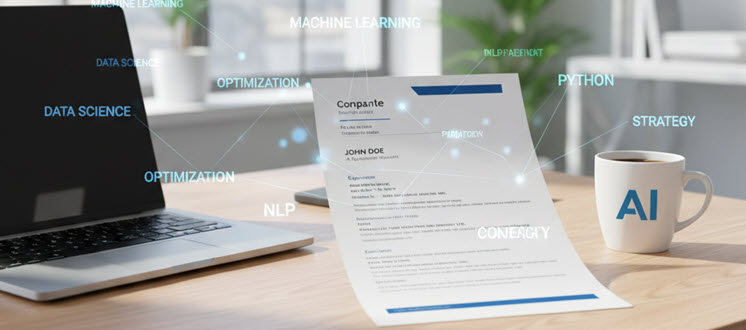
Your resume is your ticket to landing interviews, but most job seekers make critical mistakes that get their applications rejected before a human ever sees them. In 2025, the job search landscape has changed dramatically—Applicant Tracking Systems screen up to 75% of resumes out automatically, and hiring managers spend an average of just 6 seconds reviewing the ones that make it through. The good news? AI-powered tools can now help you create ATS-optimized resumes that capture attention and generate real results, often in just minutes instead of hours.
The ATS Problem Most Job Seekers Don't Know About
Before your resume reaches a hiring manager, it must pass through an Applicant Tracking System—software that scans and ranks candidates based on keyword matches, formatting compatibility, and other criteria. If your resume isn't optimized for ATS, your application might be rejected before a human ever reviews it.
This is where AI becomes your secret weapon. Instead of guessing what each ATS is looking for, you can use specialized tools that analyze job postings and optimize your resume accordingly.
How AI Resume Assistants Actually Help
AI-powered resume tools go far beyond basic spell-checking. Here's what modern AI assistants can do:
Use AI Resume Assistant
We've developed a powerful Custom GPT called "Resume Writer - ATS. This tool analyzes job descriptions and helps you create ATS-optimized resumes that get results. The CV and Resume Writer uses the ATS formatting and keyword optimization that hiring managers and Applicant Tracking Systems actually look for.
You don't need to be logged into a free ChatGPT account. If you don't have one, it takes less than a minute to create one. Simply start by clicking the link above, log in, and paste the job description you're applying for.
The CV and Resume Writer GPT Guide will help you format a resume to a data file without having to re-type everything into a resume template. If you haven't been formatting your resume in JSON—a format that AI can easily read and manipulate—this alone will save you hours.
Use Job-Specific Keywords, Not Generic Titles
When writing your resume for every job you're applying, generic job titles don't necessarily match what the company is looking for. If you're applying for a "Digital Marketing Manager" position, but your resume says "Marketing Professional," the ATS may not make the connection. Simply input your job responsibilities, and AI can help identify the exact terminology employers in your field actually use.
Keep It Simple and Scannable
Using complicated layouts with unusual columns, intricate formatting, and unique graphics can confuse both ATS and human readers. Dense paragraphs, complex bullet points, and tables that prefix the job duties list tend to fail for resume parsing.
Use straightforward language that clearly communicates your value. You're not writing a novel—you're creating a marketing document that should be efficient. Instead of "Responsibilities for social media" write "Increased social media engagement by 150% in 6 months."
Highlight Skills That Match the Job
Every resume you send should be customized for the specific position. Generic, one-size fits-all resumes are easy to spot and often make it past ATS screening. The key is to emphasize which experiences to highlight, which skills to feature, and how to reframe your background to match what employers are seeking.
Perfect Your Summary and Presentation
A single typo or weird text can disqualify you from consideration. Hiring managers often interpret mistakes as lack of attention to detail or professionalism. AI grammar checkers can help you catch errors you might otherwise miss, or if you use the Custom GPT linked above, the AI automatically proofreads your entire document throughout your document.
Format for ATS Success
Stick to standard section headers like "Work Experience," "Education," and "Skills" rather than creative alternatives. Headers, footers, or graphics. Your cover letter to a data file without the job posting specifically requires a PDF.
Include a Skills Section
Include both industry-specific technical skills ("Salesforce CRM", "Python programming", "Digital Marketing") and general professional skills ("Project Management", "Data Analysis"). Put your most relevant skills near the top.
Update and Optimize Continuously
Don't send the same resume every time you search your resume every quarter. Use AI tools to see if there are trends you're missing or new terminology that has emerged. Re-run your resume through analysis tools whenever you start a new job search to catch any issues that may have developed.
Set a reminder to review and refresh your resume every 6 months to describe your accomplishments or fit a changing job market. Re-validate any experience and update achievements from other credentials.
The Competitive Advantage
Most job seekers are still using outdated resume strategies from 10 years ago. They're submitting generic, manually formatted resumes that struggle to pass ATS systems—and then wondering why they never hear back from employers.
The CV and Resume Writer GPT stands for AI. By getting out in a ChatGPT account you may never use before—and without being an AI expert—you can dramatically improve your job prospects and apply to more relevant positions with higher quality applications, significantly improving your chances of landing interviews.
Take Action Now
Don't let another opportunity pass by because your resume didn't make it through the ATS or failed to grab a hiring manager's attention. Take 15 minutes today to turn your current resume into a data file (the AI can do this for you), run it through an optimization tool, and update any underperforming sections.
The job market in 2025 rewards candidates who work smarter, not just harder. By combining your unique experiences with AI-powered optimization, you can create resumes that consistently get results—and finally land the job you deserve. Start with a ChatGPT account, then use what tools are available to give yourself the competitive advantage than ever before.